

The Financial ROI of Implementing a Scalable Design System
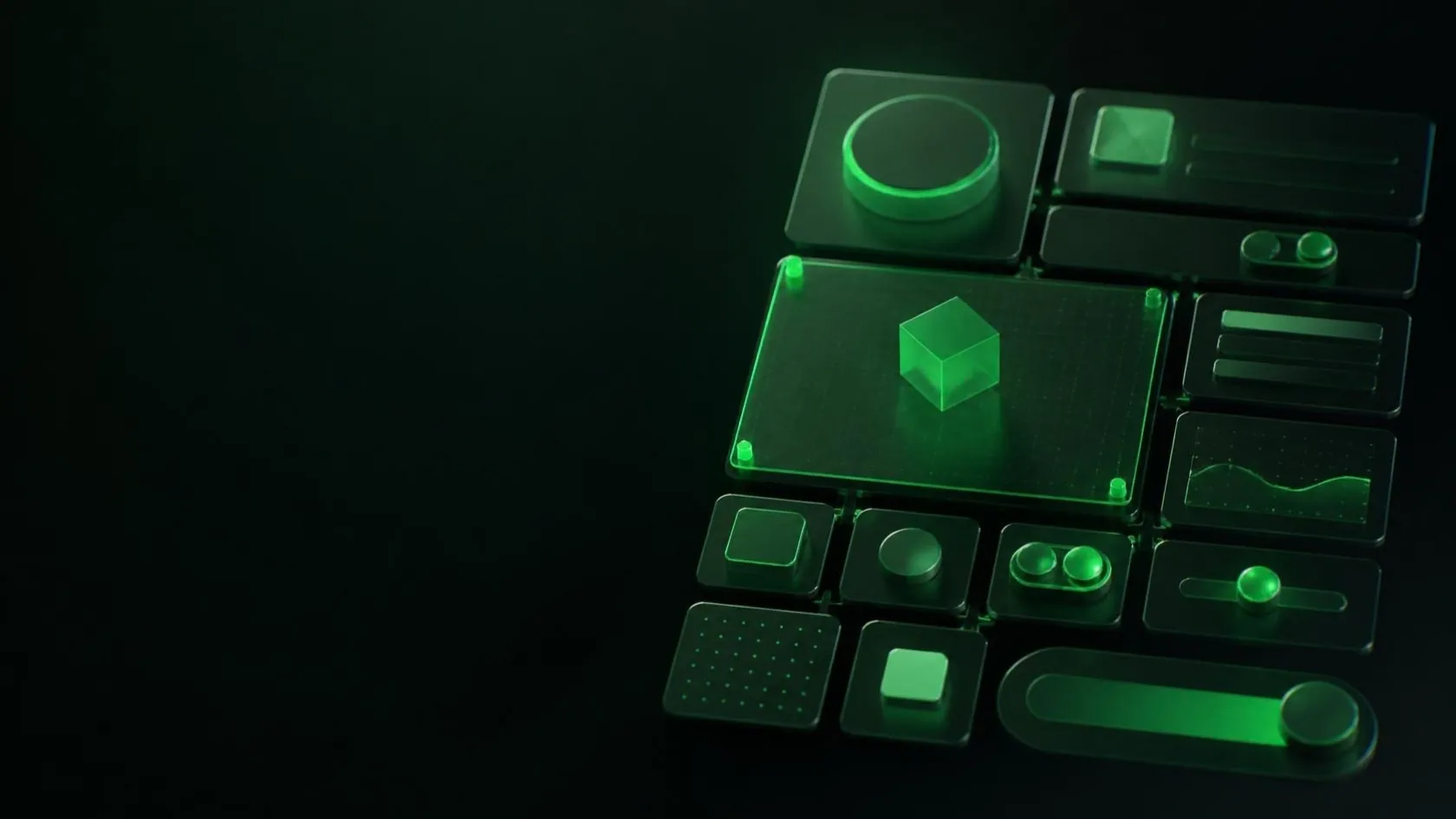
The High Cost of UI Chaos
As digital products mature and engineering teams grow, maintaining visual and functional consistency becomes a nightmare. Without a centralized system, you inevitably end up with 15 slightly different shades of primary blue, 10 variations of a standard submit button, and a codebase littered with redundant CSS. This "design debt" severely slows down feature development and degrades the end-user experience.
What Actually Constitutes a Design System?
A true design system is far more than just a UI kit or a style guide. It is a comprehensive, living ecosystem containing reusable UI components, strict typography scales, defined spacing tokens, accessibility guidelines, and usage documentation. It is usually managed visually in tools like Figma and translated identically into code as React or Vue component libraries.
Calculating the Concrete ROI
Implementing a design system requires a significant upfront investment, but the long-term ROI is undeniable:
1. Exponentially Faster Time to Market
Developers no longer need to write CSS from scratch or guess padding values. They simply assemble pre-built, pre-tested, responsive components like Lego bricks. Features that previously took weeks of back-and-forth between design and engineering can now be deployed in days.
2. Flawless Brand Consistency
A unified aesthetic across all digital touchpoints (web, mobile, email) builds subconscious trust with consumers. A design system ensures that every modal, dropdown, and typography scale is perfectly aligned with the brand's core identity, eliminating rogue UI elements.
3. Drastically Reduced Onboarding Time
When new engineers or designers join the team, they don't have to guess how to build a form or style a header. They have a single source of truth—complete with code snippets and interactive examples—to refer to, drastically reducing their ramp-up time.
Conclusion
A design system is the ultimate bridge between design and engineering. It transforms UI creation from an ad-hoc, artistic endeavor into a predictable, scalable engineering process.